
HVAC Services: How HVAC Maintenance Impacts Overall System Performance
Maintaining HVAC systems is crucial as it directly influences their performance, efficiency, and the longevity of the systems. Without regular upkeep, these systems can suffer from inefficiencies and frequent breakdowns, leading to increased operational costs. This article aims to explore various facets of HVAC maintenance, shedding light on how proactive measures can significantly enhance system performance. It seeks to educate readers on the importance of regular maintenance routines and the potential cost savings and health benefits of well-maintained HVAC systems. This journey will unfold the integral components of HVAC systems, identify common problems that arise without proper care, and present new innovations making maintenance more efficient than ever.
Section 1: Understanding HVAC System Components
1.1 Importance of Knowing Your System
Understanding your HVAC system is fundamental to its efficient operation and maintenance. Familiarity with its make-up helps in diagnosing issues accurately and ensures timely maintenance. Many homeowners overlook the complexities of their systems, which can lead to neglect and, ultimately, expensive repairs. Being aware of your HVAC system's components empowers you to have informed discussions with service professionals. Moreover, this understanding can ease the process of identifying the necessary parts for replacements or upgrades when the time comes.
1.2 Key Components and Their Roles
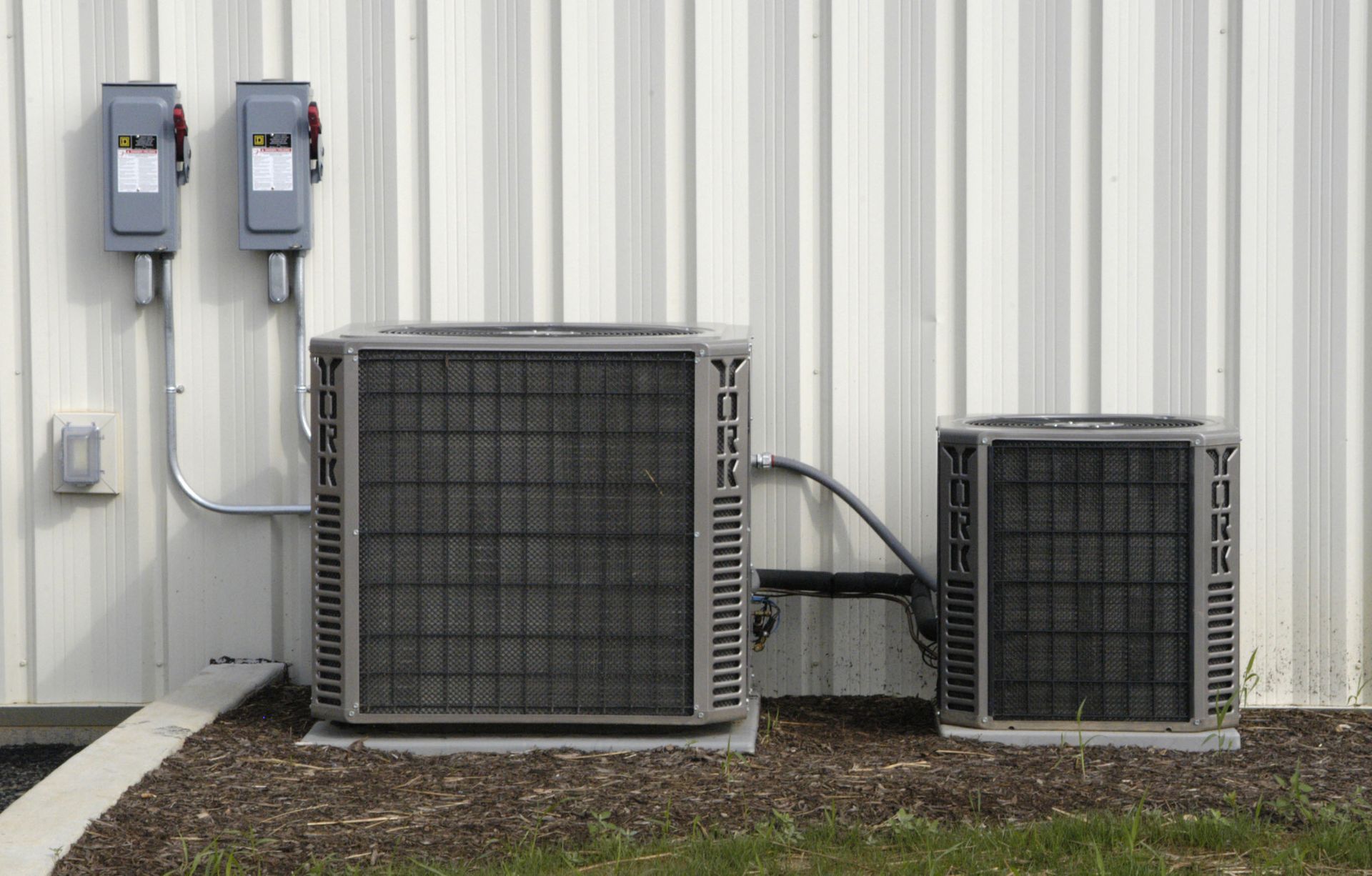
HVAC systems comprise several integral components, each vital for seamless operation. The furnace, for instance, is responsible for heating the air while the evaporator coil plays a crucial role in cooling it. The thermostat acts as the command center, managing temperature settings to ensure comfort. Additional components such as ducts, vents, and filters play pivotal roles in air distribution and quality. Understanding the function of each component helps in appreciating their collective significance, enhancing the ability to maintain the system effectively.
1.3 Common Failure Points
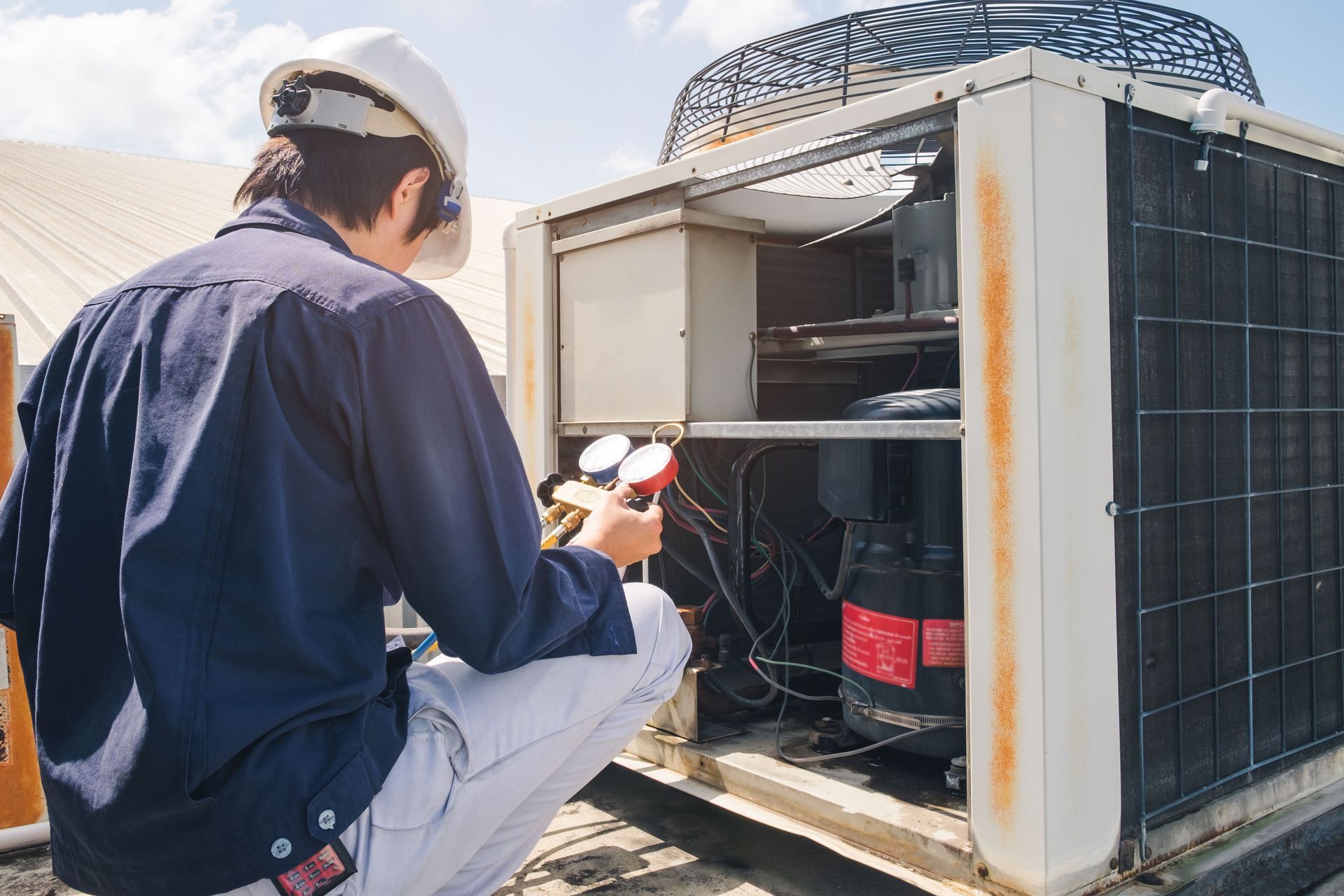
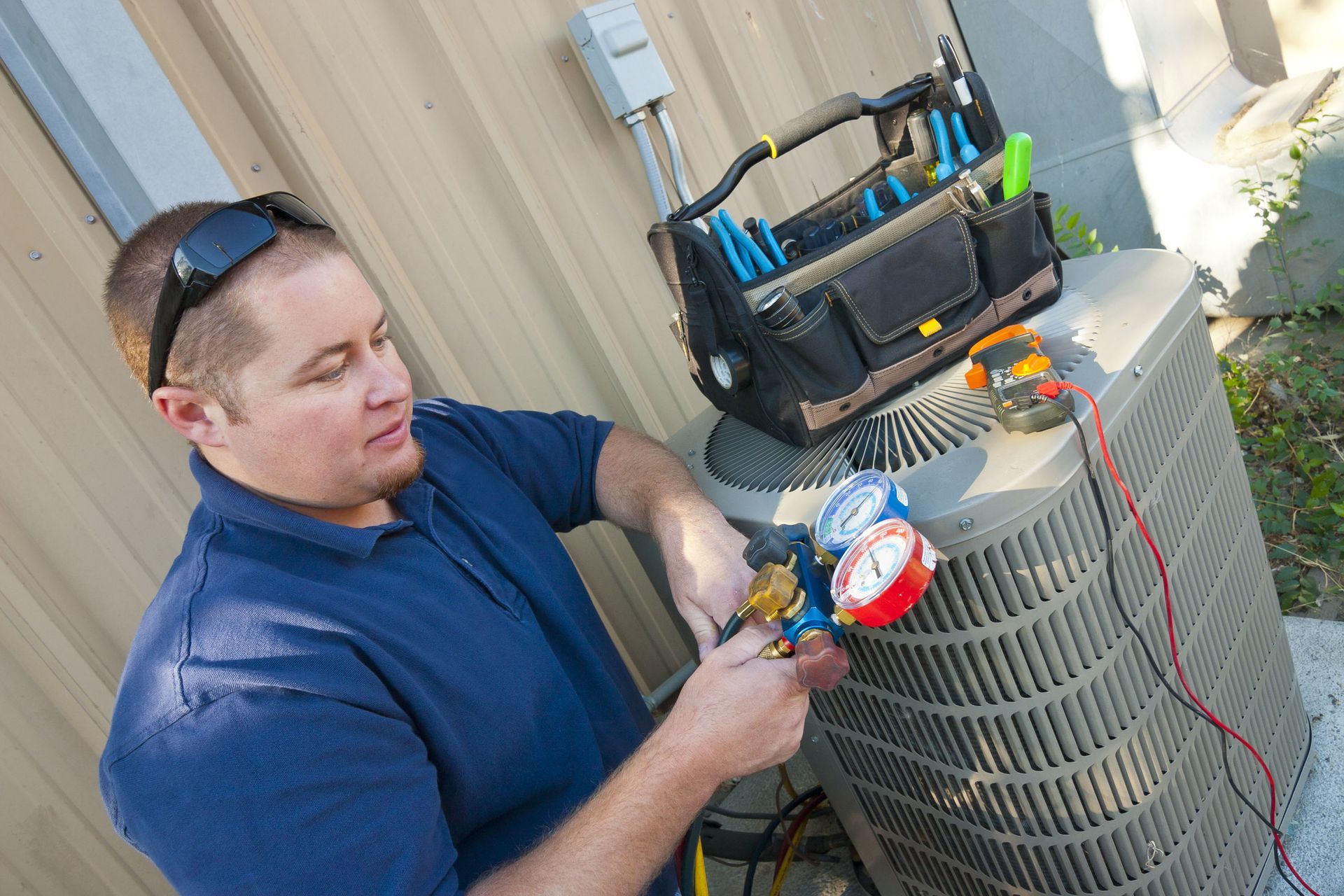
HVAC systems, over time, are prone to failures which often arise from a few common points. Compressors may overheat, filters can clog, and ducts might develop leaks, all contributing to poor system performance. Ignoring these potential issues can lead to significant downtime and increased repair costs. Identifying these common failure points is essential for preventative maintenance, which aims to preemptively address these issues before they lead to larger problems. Regular checks ensure that any wear and tear is promptly addressed, minimizing the risk of sudden breakdowns.
1.4 Impact of Failing Components on System Performance
Failures within an HVAC system can drastically degrade its performance, leading to increased energy consumption and reduced efficiency. When a key component such as a blower motor fails, it can result in inadequate heating or cooling, impacting comfort levels within the building. Such failures force the system to work harder, significantly increasing energy bills and potentially causing further damage if left unaddressed. Moreover, ignoring failing components can lead to a complete system breakdown, requiring costly repairs or replacements. Addressing component failures swiftly is crucial to maintaining system reliability and performance.
1.5 Benefits of Regular Component Checks
Conducting regular checks on HVAC components yields numerous benefits, not least of which is improved system reliability. Regular inspections allow for the early detection of wear and tear, ensuring that minor issues are rectified before they escalate. This proactive approach minimizes the risk of unexpected system failures and extends the overall lifespan of the HVAC apparatus. Furthermore, consistent maintenance increases system efficiency, translating into significant energy and cost savings over time. Regular checks also ensure that the system operates safely, preventing hazards such as gas leaks or electrical fires.
Section 2: Regular Maintenance Routines
2.1 Establishing a Maintenance Schedule
Establishing a regular maintenance schedule is paramount for the prolonged efficacy of HVAC systems. A reliable schedule ensures that each component gets the attention it requires, preventing issues from escalating into costly repairs. Ideally, a professional service visit should occur bi-annually to inspect the system for potential issues. Between professional checks, homeowners should perform routine tasks like filter replacements and visual inspections. Systematic scheduling helps in not only extending the system’s life but also in maintaining optimal efficiency and reducing energy costs.
2.2 Seasonal Maintenance Considerations
Seasonal transitions pose a unique challenge for HVAC systems, necessitating specialized care to ensure seamless performance. For instance, before winter sets in, a thorough inspection of the heating elements and the furnace is essential to ensure reliability. Conversely, in preparation for summer, servicing the cooling components, such as air conditioners and evaporator coils, is crucial. Seasonal maintenance adjusts the system’s performance to the changing climate, optimizing energy use and sustaining comfort levels year-round. Proactively addressing seasonal needs also guards against unexpected breakdowns during peak usage periods.
2.3 DIY Maintenance Tips
While professional maintenance is indispensable, certain DIY upkeep tasks can help extend the lifespan of your HVAC system. Regularly changing filters is one such task that homeowners can easily manage, crucially affecting air quality and system efficiency. Ensuring that vents are free from obstructions not only promotes better airflow but also prevents overworking the system. Visual inspections for leaks or unusual wear can flag issues early, ensuring they are addressed before causing major disruptions. By engaging in simple, regular maintenance activities, homeowners can significantly reduce the need for emergency repairs and associated costs.
Section 3: Energy Efficiency and Cost Savings
3.1 The Link Between Maintenance and Efficiency
There is a clear correlation between regular maintenance and enhanced energy efficiency in HVAC systems. Well-maintained systems operate more efficiently, consuming less energy and thus producing lower utility bills. Routine checks and timely repairs prevent energy wastage, ensuring that each component functions optimally. According to recent market research, the HVAC cleaning services industry is projected to reach USD 27 billion by 2034, indicating a growing recognition of the importance of maintenance. Enhanced system efficiency not only leads to cost savings but also reduces environmental impact, making maintenance an economically and ecologically sound practice.
3.2 Energy Cost Implications of Poor Maintenance
Poorly maintained HVAC systems are notorious for their high energy consumption, directly impacting utility costs. Excessive energy use often results from components working harder due to inefficiencies like blocked filters or malfunctioning parts. Ignoring routine maintenance tasks leads to increased energy bills, negating any short-term savings from avoiding maintenance expenses. The higher operational costs eventually overshadow any maintenance savings, emphasizing that neglect is both economically and operationally detrimental. By contrast, regular care ensures that systems remain efficient, offering substantial energy and cost savings over time.
3.3 Upgrading Components for Better Efficiency
Investing in advanced HVAC components can significantly enhance system efficiency, offering noticeable energy savings. Modern components typically feature improved designs and technologies that allow for better energy use. Upgrading to more efficient parts, such as energy-saving thermostats or high-efficiency coils, can reduce system strain and enhance performance. These upgrades, though initially costly, often pay for themselves through reduced energy bills and maintenance needs. Constantly updating the system with efficient components maximizes performance while minimizing costs, contributing positively to both the environment and the wallet.
In conclusion, HVAC maintenance is integral to ensuring optimal system performance, efficiency, and longevity. Regular maintenance routines prevent energy wastage, enhancing cost savings and reducing the environmental impact. Mechanical upkeep also improves indoor air quality, fostering health and comfort while extending system lifespan. The future of HVAC maintenance promises exciting innovations, including smart technologies and sustainable practices that will further redefine the role of HVAC systems in our lives. Be sure to reach out to Modern Air Conditioning & Heating, Inc today to learn more about our professional HVAC services!


Share On: